The Men’s Haircut Ads Ruined by Bad Proofreading and Editing
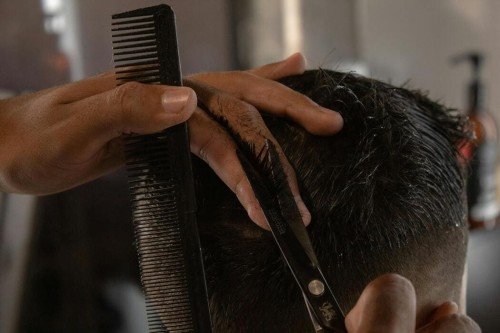
Few things hurt a brand’s image faster than a haircut ad that makes people laugh for all the wrong reasons. Men’s grooming is a competitive market where style, precision, and trust are everything – and yet, again and again, we see campaigns undermined by clumsy grammar, awkward phrasing, and embarrassing typos. When a barbershop or salon promises “classy cut for real gentlemens” or “perfact fade garantied,” potential clients aren’t thinking about the quality of the haircut – they’re wondering why nobody checked the copy first. This is where professional proofreading services quietly make or break a brand’s credibility.
1. When “Premium” Haircuts Come with Budget-Level Spelling
Many men’s haircut businesses invest heavily in photography, lighting, models, and location, only to pair their visuals with sloppy text. A photo might scream “luxury,” but if the headline reads “Expirience the Best Men’s Groom Cut in Town,” the illusion collapses. Spelling errors are often the first thing viewers notice because they clash so hard with the polished imagery.
Ads that aim for sophistication but miss basic spelling send mixed signals: is this a high-end experience or an amateur operation? In a crowded grooming market, customers interpret every detail as a sign of care or carelessness. One typo in an ad doesn’t just look silly – it can raise doubts about attention to detail in the service itself.
2. Grammar Mistakes That Make a Salon Sound Unprofessional
Grammar errors in men’s haircut promotions can be even more damaging than typos because they undermine the sense of authority and professionalism. Phrases like “We makes the best cut,” “Men’s hair it’s our passion,” or “Be a real mans” instantly break the spell that the visuals are trying to cast. Awkward sentence structure or incorrect verb forms make the ad feel rushed and unpolished.
Potential customers looking for consistent, reliable grooming want to feel confident that the business pays attention to every aspect of their brand. When the grammar is off, even subconsciously, people wonder what other corners might be cut. A clean, grammatically correct tagline is a small detail with an outsized impact on perceived quality.
3. Unintended Double Meanings That Turn Serious Ads into Memes
Without a careful review, haircut slogans can accidentally veer into comedy. Attempts at edgy or clever lines sometimes end up sounding suggestive or confusing once they’re on a billboard, poster, or social media feed. A misplaced word or poor phrasing can twist the meaning into something the brand never intended.
In the era of screenshots and viral posts, one unfortunate line on a men’s haircut ad can become a running joke online. Instead of being remembered for sharp fades and stylish cuts, the brand becomes “that barbershop with the weird slogan.” Good editing anticipates misinterpretation, checks cultural connotations, and ensures the message lands the way it was meant to.
4. Awkward Translations in Multilingual Campaigns
Men’s grooming brands often target international audiences or tourists, putting out ads in English and other languages. When those translations are handled by non-native speakers without proper review, the results can be painfully obvious: unnatural word order, wrong idioms, or phrasing that sounds more like a machine translation than a real human voice.
For example, an ad meant to say “refined cuts for modern men” could turn into something like “cuts refined for modern male,” which feels stiff and off-key. In some regions, local slang or phrases may not translate at all, leaving the copy sounding strange or even offensive. Clear, natural language is essential for trust – especially when appealing to style-conscious customers.
5. Misplaced Punctuation That Changes the Message
Punctuation might seem like a minor detail, but in a short ad, every symbol matters. Missing commas, stray apostrophes, or odd quotation marks can disrupt the flow of a tagline. A phrase like “Men’s cut’s today” not only looks wrong, it distracts readers and pulls them out of the message.
In headline-sized text, there is nowhere for mistakes to hide. Men who are skeptical about trying a new barber or stylist are looking for reasons to say no. Sloppy punctuation becomes that excuse, especially when compared with another shop whose branding feels carefully composed and professional.
6. Cluttered Copy Crowding Out the Visual Style
Some men’s haircut ads overcompensate with words, cramming every detail – prices, services, deals, and taglines – into a single layout. Without editing, this turns a stylish visual into a cluttered, noisy mess. Long, unstructured sentences fight with the images instead of highlighting them.
Concise, well-edited copy allows the photography and design to shine. A tight, focused message (“Sharp cuts. Clean lines. No compromises.”) does far more for the brand than several lines of rambling text. Editing isn’t only about catching errors; it’s also about shaping a clear, memorable statement that supports the visuals rather than drowning them out.
7. Inconsistent Tone Across Different Platforms
Another common issue appears when different ads for the same barbershop or men’s grooming brand don’t sound like they’re coming from the same place. One poster might sound formal and polished, while an Instagram ad reads like casual slang, and a website banner feels oddly robotic. This inconsistency can be jarring and make the business seem disorganized.
Editing and proofreading across all platforms help maintain a unified voice: confident, stylish, and targeted to the same audience. When everything from window signage to online campaigns aligns in tone and quality, potential customers feel they’re dealing with a serious, well-run operation.
8. Lost Credibility in a Detail-Obsessed Industry
Men who care about their haircut often care deeply about details: millimeters in a fade, texture, shaping, and styling products. They expect their barbers and stylists to notice what others miss. That expectation extends naturally to branding and advertising. If the shop doesn’t notice a glaring typo in its own window decal, can it really be trusted to notice subtle imperfections in a cut?
Polished language mirrors polished work. The sharper the copy, the easier it is for a brand to communicate that they’re equally sharp with scissors, clippers, and razors. In a field where reputation is built on word-of-mouth and repeat clients, every ad is part of that reputation – and every mistake chips away at it.
Conclusion: Clean Copy, Clean Cuts, Stronger Brand
Men’s haircut advertising lives in a space where style and perception are everything. Artfully lit photos and trendy interiors are wasted if the words around them are full of errors, awkward phrasing, or unintentional jokes. Spelling, grammar, punctuation, tone, and clarity are not “nice-to-haves” – they are essential tools for building trust with a discerning audience.
Brands that invest in careful editing and proofreading send a simple but powerful message: details matter here. When the language is as sharp as the cuts being sold, potential clients are far more likely to take that crucial next step – booking an appointment, walking into the shop, and eventually becoming loyal customers who believe in both the style and the substance behind the brand.